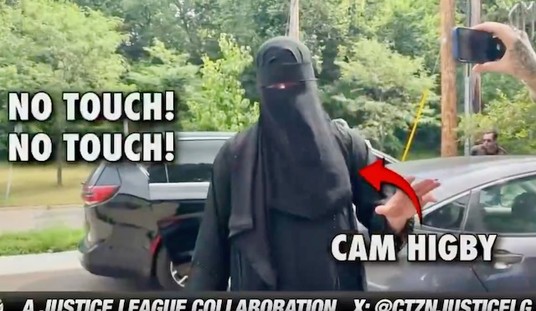


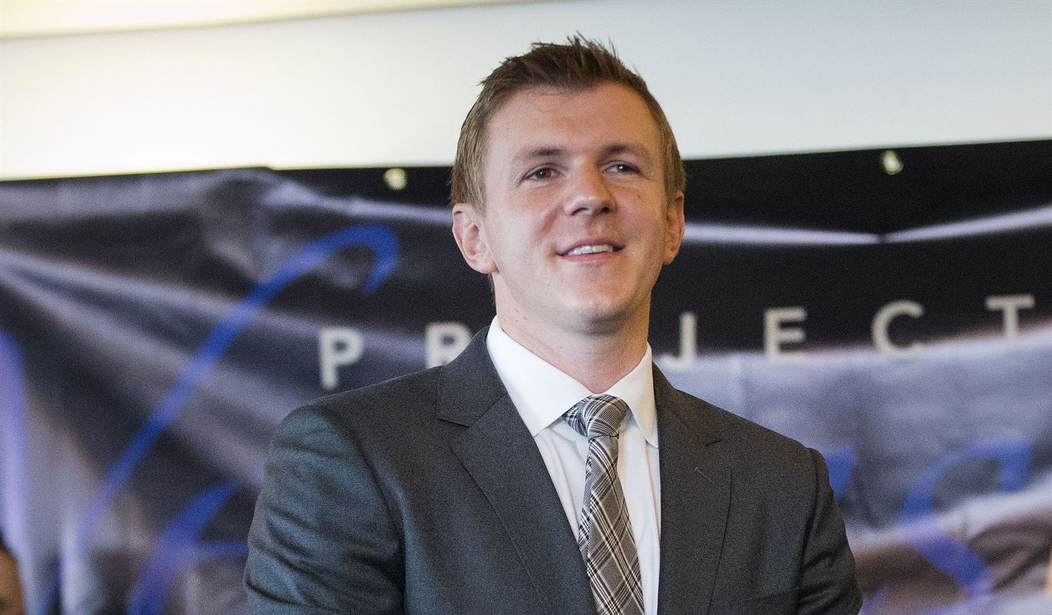

Mary Moriarty just charged James O’Keefe and Cam Higby with felonies for walking into Minneapolis polling places, saying other people’s names, asking questions about the state’s vouching rules, filming it, and leaving.
They never signed the oath. They never got a ballot. They never voted. Moriarty’s position is that none of that matters. Starting the process while using a registered voter’s name is enough. Intent to vote is “irrelevant.” This is what “protecting democracy” looks like when the people doing the protecting decide which threats count.
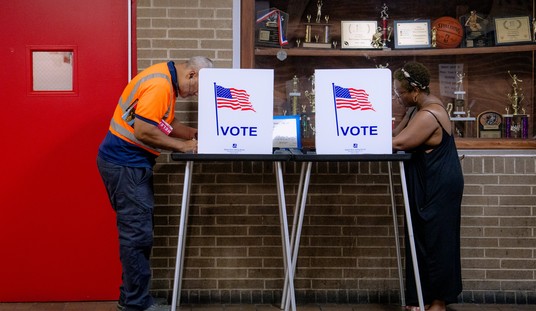
Minnesota’s vouching system lets a registered voter in the same precinct affirm residency for up to eight others on Election Day. No standard proof-of-residence ID required beyond that affirmation. In 2024, it was used roughly 19,000 times. Most of those were existing voters updating information. A few thousand were first-time voters. The state doesn’t track who did the vouching or whether anyone hit the eight-person limit in any way that can be audited from the outside. Secretary of State Steve Simon says he can’t recall a single proven case of false vouching. Critics note that an oath under penalty of perjury is only a deterrent if anyone ever checks it. O’Keefe and Higby put the system under an extreme, filmed stress test. That is what triggered the felony machine.
James O’Keefe on the Felony Charges for Exposing Fraud in Minnesota: This is not political. It is fundamental. It is about whether citizens still have the right to question their government. This is now a landmark First Amendment case, and every American’s right to speak truth to power has been put on the line. Weaponized lawfare does not work against me. It has always backfired on the people who come after me. Most people find criminal charges and lawsuits stressful; the process becomes a form of punishment. But I love this process because it gives me the opportunity to expose injustice at the highest levels. My foundation will be indemnifying members of the Justice League, including @camhigby for their lawful reporting. I’m calling on all Americans, and especially all journalists, to stand united on a message to the prosecutors in Minnesota: the politics of fear will not prevail in the United States of America.
— O’Keefe Media Group (@OKeefeMedia) October 29, 2026
Now look at what does not trigger it.
In 2023, two teenage brothers killed 23-year-old Zaria McKeever during a home invasion ordered by her ex-boyfriend. Moriarty’s office offered them juvenile dispositions — roughly 18 to 24 months at Red Wing plus probation until age 21 — in exchange for testimony against the adult. The victim’s family objected. Attorney General Keith Ellison called the offer disproportionate. Governor Walz took the rare step of removing the case from Moriarty and giving it to Ellison. One brother took the juvenile deal before the transfer. The other later received a negotiated adult sentence after the intervention. Moriarty defended the original approach on developmental grounds. The family did not.
This was not an outlier. Families of other homicide and serious sexual assault victims have publicly objected to similar offers of limited incarceration or probation for juveniles and young adults. Diversion numbers under Moriarty rose sharply in her first year. Some judges rejected deals as too soft. A later policy directing prosecutors to consider race in plea negotiations drew a DOJ civil rights review. Moriarty has argued that these choices reduce recidivism and that overall crime is down from pandemic peaks. Victim families and some former allies have replied that public safety and basic accountability for violent acts have been subordinated to ideology.
Minnesota has spent years as a national case study in large-scale social-services fraud. The fraud cases and the election-integrity concerns are not identical, but they rest on the same institutional habit: prioritizing process, equity framing, and reduced enforcement over verification and consequences. Moriarty’s office has not been the primary driver of the fraud prosecutions, but the progressive prosecutor model she has advanced — expanded diversion, equity considerations, reduced emphasis on incarceration — shapes the environment in which those failures were slow to be treated as the crimes they were.
The legal theory on the O’Keefe and Higby charges is not imaginary. Minnesota statute treats misrepresenting your identity while applying for a ballot as a felony, and the application process is multi-step. Starting it with someone else’s name is enough under the reading Moriarty is using. That does not answer the priority question. When the same office treats an incomplete, filmed inquiry into a controversial registration rule as a high-priority felony while repeatedly extending extraordinary leniency to people who actually killed or seriously harmed others, voters are entitled to notice the contrast.
O’Keefe and Higby’s first court date is set for November 16. The general election is days away. Whether their stunt was journalism, provocation, or both, the response to it is now part of the record. Mary Moriarty’s record on violent crime is also part of the record. Minnesotans can compare the two and decide which one looks like a serious effort to protect the public.