






This may sound familiar to readers, but it is not a rerun. Two months ago, Catholic nuns providing hospice care in New York faced a choice between facilitating assisted suicide or getting fined out of business. Governor Kathy Hochul claimed that their new Medical Aid in Dying (MAID) law provided exemptions for religious providers, but it only exempted such facilities from actually performing the fatal procedures. As the Free Press noted at the time, the 'exemption' still required facilitation of MAID:
Even facilities in New York that invoke the religious exemption must still require physicians to counsel patients about assisted dying, assess their mental fitness, and walk them through every step of the qualification process on that facility’s premises—everything short of writing the prescription and administering the drugs.
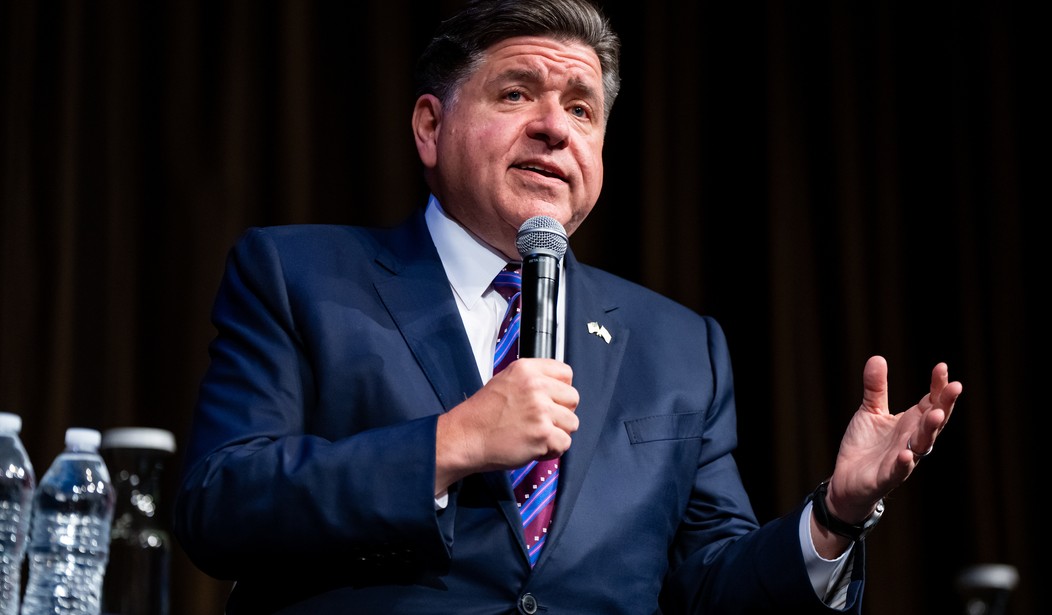
At the time, the lawsuit claimed that Hochul's 'exemption' was the narrowest in the nation. Illinois Governor J.B. Pritzker apparently took that as a challenge. The Becket Fund announced today that it will represent the Archdiocese of Chicago and the Carmelite Sisters for the Aged and Infirm to fight a similar law in the Land of Lincoln and block the state's End-of-Life Options for Terminally Ill Patients Act (EOLOA):
Cardinal Blase J. Cupich, archbishop of Chicago, two orders of Catholic nuns, and an Illinois pharmacist sued Illinois today over a new law that forces them to help terminally ill patients kill themselves—in direct violation of their religious beliefs. In Carmelite Sisters for the Aged and Infirm v. Prince, Becket is asking a federal court to block the law before it takes effect on September 12, when healthcare providers who refuse to take part in assisted suicide will face significant fines and penalties.
For nearly 175 years, Catholic healthcare ministries have been a refuge for the sick, elderly, and dying across Illinois. Today, that work includes Catholic hospitals treating millions of patients each year, the elder-care ministries of the Carmelite Sisters for the Aged and Infirm and the Little Sisters of the Poor, and the efforts of the many faithful Catholics working in health care, like small-town community pharmacist Luke Vander Bleek. All of them serve patients according to their Catholic faith, which calls them to heal and protect human life, not end it.
Between Illinois, New York, the Mangionistas, and the deranged Lindsay Clancy groupies, Moloch is having quite a comeback. So is Marxism, for that matter, and the two are not unrelated.
Just as in New York, the EOLOA law clearly and unconstitutionally infringes on the freedom of religious expression by the Catholic Church and its organizations. Becket Fund argues that this argument applies both organizationally and personally:
That means they cannot prescribe or dispense lethal drugs, direct or refer patients to obtain them, or help facilitate a patient’s suicide in any way. Yet Illinois’ End-of-Life Options for Terminally Ill Patients Act (EOLOA) forces them to do exactly that. Healthcare providers that object to participating in assisted suicide must still inform patients about their “right” to kill themselves, help them qualify for lethal drugs, and pass them along to someone willing to help them obtain those drugs—effectively punching the patient’s ticket for death. And pharmacists like Vander Bleek must fill prescriptions they know will be used for suicide or refer patients to another pharmacy that will.
Illinois also threatens religious caregivers for speaking a life-affirming message against suicide, imposing a gag order on their care. EOLOA’s definition of coercion and undue influence is so broad that it risks punishing the Sisters and other healthcare providers in the Archdiocese simply for telling a suffering patient, “Don’t kill yourself. Jesus loves you. Your life is precious.” Becket is asking the court to protect the Sisters’ freedom to care for the most vulnerable according to their faith, and to protect patients who want the freedom to choose that care, free from the state’s message of suicide.
As I wrote in July: Why do people choose Catholic caregivers for hospice? There are other options, after all, including secular facilities that might be more enthusiastic about MAID. The choice of a Catholic facility assumes a decision by the patient to embrace Catholic doctrine on end-of-life issues. Therefore, this is not just about the freedom of religious expression for the providers, but also for the patients themselves who might choose the Carmelites because they won't get pressured to drink hemlock for The Greater Good, or something.
The Becket Fund's lawsuit notes just how radical the EOLOA requirements will be:
13. Illinois physicians and mental health professionals will also have to participate throughout the multi-step process of qualifying their patients to receive lethal suicide drugs. Pharmacists will also have to participate by filling prescriptions they know will be used for suicide.
14.And as though this were not enough, Illinois hospitals, nursing homes, and hospice residences will then have to allow patients to commit suicide in their facilities, even if this jeopardizes their federal healthcare funding, like Medicare or Medicaid.
15.The many Illinois nurse practitioners, doctors, mental health professionals, pharmacists, hospitals, and care homes with religious or moral objections to participating in assisted suicide will have nowhere to go, because Illinois’ purported “opt-out” still requires religious care providers like the Carmelite Sisters and the Little Sisters to directly participate in and materially assist the same medicalized suicides to which they object. The Catholic patients who do not want to be offered the chance to kill themselves at their lowest moment will be left out in the cold.
The lawsuit seeks to enjoin Illinois from enforcing EOLOA on the plaintiffs at a minimum. However, as Becket argues, the law violates the Constitution "five times over," not to mention federal statutes. Therefore ...
23. The Court can address these problems by enforcing federal law and the First Amendment and finding that Illinois cannot coerce religious providers in this way. That approach would leave the End-of-Life Options Act generally in force. Alternatively, the Court could also invalidate the entire End-of-Life Options Act, because it violates the Americans with Disabilities Act, the Equal Protection Clause, and the Supremacy Clause.
It also contradicts Supreme Court precedents about compelled speech in cases such as NIFLA, Janus, and Masterpiece Cakeshop. The complaint refers NIFLA and Masterpiece Cakeshop, in particular the former, on the point of forced speech on behalf of Moloch – er, the state, I mean. A district court might disregard those precedents, but an appellate court won't, and the Supreme Court certainly won't ignore their own precedents on this point.
That's where this is going, eventually, along with New York's MAID mandate. Unfortunately, blue states would rather dispose of human beings than provide them with the opportunity for dignified end-of-life care. And don't think for a moment that these forays will remain limited to hospices, either.
Editor's Note: The Democrat Party has been infected by socialism, and it's spreading FAST. Democrats are claiming there's nothing to worry about, but we know the truth.
Help us continue to shine a light on the socialist takeover by joining HotAir VIP. Use promo code FIGHT to get 60% off your VIP membership.


Join the Conversation
VIP members get the ability to comment on articles.