The first week of Minnesota’s 2026 legislative session is in the books, and any hope that Democrats might pivot from activist theatrics to governing reality was quickly dashed.
The clearest example came during a House floor debate on February 19th. Both parties sought to declare urgency on legislation. House Republicans moved to advance a bill that had already passed the Democrat-controlled Senate 60-7 the previous year—legislation establishing an independent Office of Inspector General to confront the billions in fraud that have made Minnesota a national embarrassment.
In other words, we proposed something real: bipartisan, urgently needed, and tied directly to public accountability.
House Democrats voted it down.
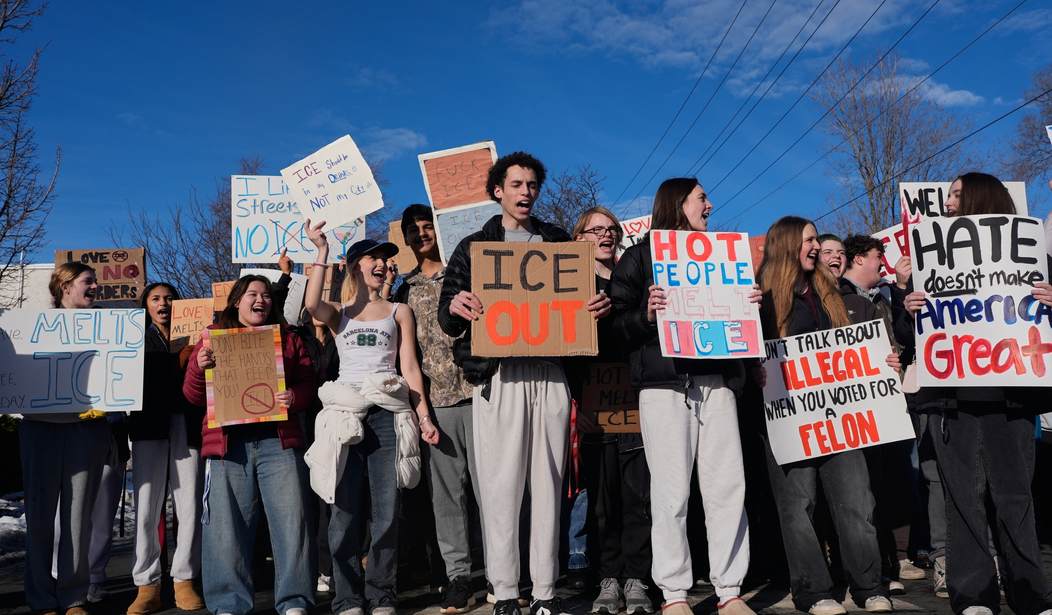
Moments later, they moved urgency on one of their own bills—legislation that would have no practical effect on anything at all. Its only real function was to provide a platform for more anti-federal-law-enforcement rhetoric directed at Immigration and Customs Enforcement (ICE).
During debate, multiple Democratic legislators publicly referred to federal officers as “murderers,” insisted federal immigration enforcement constitutes an “occupation,” and suggested Minnesota need not recognize federal authority in this area. This rhetoric has become routine in the state’s political discourse—from the governor’s office to Minneapolis city leadership to activist legislators.
But here’s the constitutional problem: immigration enforcement is not a state prerogative. It is an enumerated federal power. The Supremacy Clause of the U.S. Constitution makes federal law—and federal authority in its lawful sphere—binding on the states.
That’s not a controversial interpretation. It’s basic constitutional structure.
So when Minnesota legislators pass bills implying the state can dictate terms to federal immigration authorities, or when they delegitimize federal enforcement outright, they’re not engaging in meaningful policy. They’re engaging in political theater that collides head-on with constitutional reality.
During floor debate, I made what should have been an unremarkable observation: even if Democrats passed their bill, it would not—and legally could not—compel federal cooperation with any state investigation into federal officers. States cannot command federal agents acting within federal jurisdiction. Full stop.
That’s not ideology. That’s constitutional law.
The response from Democrats was not to dispute the legal point. Instead, they erupted—shouting, interrupting, and attempting to silence debate. The same legislators who had just spent minutes accusing federal officers of murder suddenly insisted it was improper even to question activists who had obstructed federal enforcement operations.
Let’s be clear about what has been happening in Minnesota.
For months, elected officials and activists have framed federal immigration enforcement as illegitimate. They’ve described lawful detention as “kidnapping,” federal presence as “occupation,” and ICE agents as “Nazis” or “Gestapo.” They’ve encouraged physical obstruction of federal operations. Minnesota’s attorney general was recorded urging activists to “put their bodies on the line.”
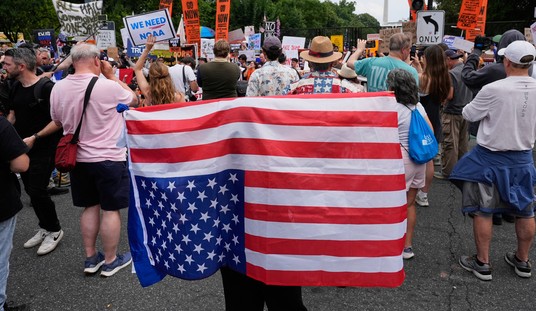
People listened. Some did exactly that—blockading streets, refusing lawful federal orders, escalating confrontations.
This is what sustained rhetorical undermining of lawful authority produces: conflict, danger, and escalating distrust between federal agencies and local leadership.
Democrats now demand investigations into federal actions while simultaneously denying the legitimacy of the very federal authority they want investigated. They claim to defend democracy while attempting to shout down elected representatives on the House floor.
The contradiction is obvious.
Republicans during that debate did what legislators are supposed to do: we listened, waited our turn, and responded on the merits. We did not interrupt even as federal officers were defamed as murderers from the chamber floor. We argued law, jurisdiction, and constitutional limits.
That contrast matters.
Because beneath the theatrics lies a deeper question: do states have the authority to nullify or obstruct federal law enforcement in areas of clear federal jurisdiction?
The answer is no. It has always been no. And no amount of legislative messaging changes that.
Minnesota Democrats can raise symbolic bills, stage floor speeches, and rally activists. But they cannot rewrite the Supremacy Clause. They cannot transform federal immigration enforcement into a state-optional activity. And they cannot claim constitutional high ground while openly undermining federal authority granted by the Constitution itself.
The American system depends on disagreement within constitutional bounds. When elected officials move from disagreement to delegitimization—insisting lawful federal authority is itself illegitimate—they step outside those bounds.
That’s not resistance. It’s constitutional denial.
And it’s becoming Minnesota’s governing philosophy.