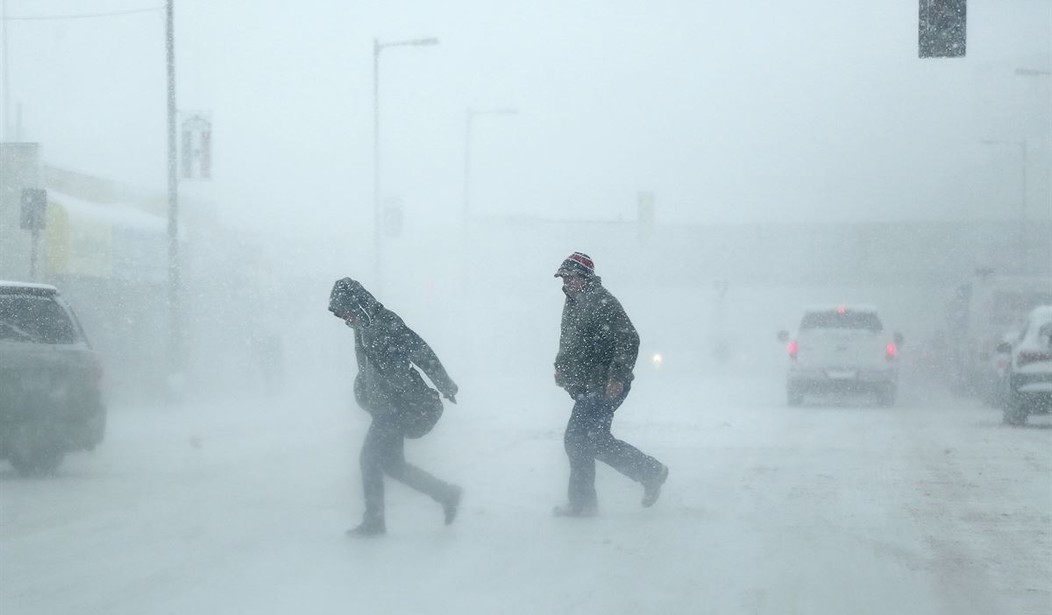
Eleven thousand flights canceled. Fifteen tragic deaths associated with the storm so far.
Frigid Arctic air is settling in behind it - here in NW Florida, we just hit 40° a little over an hour ago for the first time all day after mid-30s with steady gusts as high as 30 mph (real feel temp 34°). We have 24° forecast for a morning low - NIPPY!
Mississippi got hit hard, with almost three inches of ice. Classes in Oxford have been canceled until the second of February. Tennessee and Louisiana have line crews clearing trees from ice damage as well.
Winter Storm Fern: It’s EXTREME!“Ice storm apocalypse in Oxford, Mississippi. Hours of thunder freezing rain, power flashes lighting up the sky, stranded motorists, trees falling on cars under the weight of over an inch of ice accretion.”
— John Cremeans (@JohnCremeansX) January 25, 2026
Reed Timmer, PhD.
Extreme Meteorologist! pic.twitter.com/yamcffX8Td
Brutal. In brutal cold that will refreeze tonight and for the next several nights.
The power grids across most of the country were and remain under tremendous strain.
I'm sure they were sweating it in Texas yesterday. But unlike many locations around the world, sometimes lessons actually get taken to heart and acted on.
Even before sunrise, the natural gas plants who'd forzen during the dreadful and catastrophic ice storm a couple of years ago were humming along in this one.
ERCOT #TexasGrid Monday Morning Update: A New Day Has Dawned
— ⚡️David Blackmon⚡️ (@EnergyAbsurdity) January 26, 2026
As of 6:00 a.m. CT on Monday, January 26, #naturalgas, #coal, and #nuclear, the baseload powerhouses of the Texas power grid, are supplying 89% of all generation on the system. Natural gas alone is chugging along at an… pic.twitter.com/kb0qBRbyB1
...Natural gas alone is chugging along at an impressive 68%.
The gas system didn't freeze up overnight, as so many renewables proponents had cravenly rooted for. The reforms enacted by the Texas legislature #txlege over the last three sessions are clearly working as intended. Time for everyone to thank Texas Lt. Governor Dan Patrick @LtGovTX for his focused leadership in this area.
As you can see in the lefthand chart below, there were few additional outages recorded on the system overnight despite the sub-freezing temperatures and snow and ice which covered most of the state.
Obviously, #solar's contributing nothing because the sun isn't up. The vaunted stationary #powerstorage is inputting a paltry 1.5%, and #Wind is below 10% because the wind hasn't picked up in West Texas yet. Due to sunny conditions in much of the state, we can expect wind and solar to both do better after sunrise and give some of the workhorse natural gas plants a bit of a rest for several hours.
We still have one more day and another very cold night to go before Texans finally can enjoy above-freezing temperatures, so celebrations remain premature. But no one, not even the most shameless wind and solar boosters, can deny that the reforms enacted since 2021's Winter Storm Uri haven't worked.
A new day has dawned on the Texas grid, and @ERCOT_ISO is no longer saddled with managing the problem child of the national system.
The battery back-up for the solar did come on and was great while it lasted, but, hello.
Yep, for about an hour. By 9:00 they were at 2%. By 9:30, they were right back at zero.
— ⚡️David Blackmon⚡️ (@EnergyAbsurdity) January 26, 2026
Naturally, due to conditions, there were still outages, but those were mostly local line issues, not the entire grid collapsing in on itself.
Texas (ERCOT): looks like the republicans fixed the Texas grid! Power prices have gone down too which is surprising. We have so much energy that we don’t know what to do with it. pic.twitter.com/3LPDO7hcMi
— Jon Elder (@BlackLabelAdvsr) January 24, 2026
On the East Coast, power plants humming along in Pennsylvania and West Virginia helped save the heat in 'green' blue states belonging to the PJM Regional Transmission Operator (RTO) that have shuttered their nuclear and natural gas power plants.
You conveniently cropped out PA… pic.twitter.com/1u6U9Xcv7I
— Nick Greenway (@TheNickGreenway) January 25, 2026
Some local electric cooperatives, like the Shenandoah Valley Electric Cooperative below, who buy power from PJM were still sending notices to area customers about having to potentially shut off power to certain areas in their districts because of power supply shortages.
No notice sent out to the potential affected areas! Someone just found it on the SVEC FB page. pic.twitter.com/jpCdAtS5Bi
— ThePibbster (@Mr_Pibbster) January 25, 2026
A Virginia state senator called out Democrats still pushing for the transition after his constituents received notices that their power would be cut during the storm.
Thankfully our neighbors in West Virginia kept burning coal to keep the lights on.
— Sic Semper Tyrannis (@va_anticom) January 26, 2026
Yeah, that West Virginia coal they all sneer at, huh?
Turns out, the much reviled coal industry came to the rescue this weekend for many of those high-and-mighty who hate it. Once upon a time, coal was the source of almost half of all the electricity produced in the country, and now it's down to 17%.
But having that reliable baseline power available still matters when times get dicey. By Sunday morning, it was providing 24% of the PJM's power, and helping immensely throught the Deep South and MidWest to keep the heat on.
...Utilities in the Midwest on Saturday directed customers to lower thermostats, unplug “nonessential appliances,” and reduce temperature settings on electric water heaters. Hope you enjoy lukewarm showers and curling up in a heavy coat with a book.
The Energy Department also waived emissions rules so fossil-fuel plants could run at maximum capacity. Early Sunday morning, coal accounted for some 40% of power in the Midwest’s MISO grid, 24% in the eastern U.S. PJM Interconnection and 18% in Texas, with most of the rest coming from natural gas and nuclear.
New York’s blockade on gas pipelines has constrained the fuel supply for power plants across New England. Power plants in the region had to resort to burning oil, which accounted for 40% of electricity at times of peak demand. Get this—the region generated more power from burning wood and trash than from wind power.
The climate crowd claims that solar, wind and batteries can replace fossil fuels, but those sources contributed little power in most places over the weekend. Wind and solar aren’t reliable during inclement weather. Batteries can discharge power only for a few hours at a time, which doesn’t much help during a storm that stretches for a day or two.
The deep-freeze energy scare underscores why the Energy Department issued emergency orders in recent months to “stop the political closure of coal plants” in the Midwest. The grid needs all the coal power it can get when temperatures plunge or skyrocket. Environmental groups have challenged the department’s orders. Is the goal to reduce carbon emissions by making Americans freeze?
Coal wasn't the only supah-stah.
In green crazy Massachusetts...
Massachusetts pic.twitter.com/JNg2sLhDCU
— Caleb Jordan Schulz (@Based_Jedi) January 26, 2026
...there was oil in them thar hills. Fossil fuels were saving the day when the sun doesn't shine, the wind blows too hard, and the ice builds up too fast and too thick for turbines to generate the electricity everyone seems to need at the same time.
The largest source of power generation today in New England is. . . oil. 🛢️
— Chris Martz (@ChrisMartzWX) January 26, 2026
Yes, that's right, they are burning OIL to keep the heat and lights on during this cold snap.
This is what happens when you elect people who (a) restrict access to natural gas by canceling pipelines and… pic.twitter.com/cQQQN6SfU6
...This is what happens when you elect people who (a) restrict access to natural gas by canceling pipelines and (b) do little to keep their nuclear power plants up and running.
Case in point, New England once had seven nuclear power plants. Today, they only have two and the second reactor at Seabrook never got built due to the protests from left-wing wannabe Jane Fondas.
There was also some out-of-the-box preparatory game-planning by the uber-competent Trump administration.
I really like the way Energy Secretary Chris Wright does business.
The Energy Department is ordering U.S. grid operators to make backup electricity generation from facilities such as data centers available in case of power outages caused by the weekend’s expected winter storm, its latest extraordinary step to address electricity shortages and high prices.
Electricity providers were told they should tap into available backup power used by manufacturing facilities, retail businesses and data centers, if power demand in their regions nears a level that could potentially lead to a blackout, Energy Secretary Chris Wright said in an interview.
“We’re going to do everything we can to keep the lights on and to keep power prices down” during the storm, Wright said. He said the Energy Department has been working on the program for several months and it could also be implemented during peak demand periods in the summer.
The energy secretary sent energy reliability coordinators and balancing authorities a letter Thursday telling them that the DOE would make backup power available to address what he calls a “national energy emergency.” The measures are taken under a law giving the energy secretary power to take control of electricity generating facilities to meet demand in emergency situations.
The move is unusual because data-center operators and businesses generally don’t distribute energy to the grid. The DOE under Wright has been examining ways it can give data centers the ability to build their own power generation, which he has said could help lower electricity prices. It wasn’t immediately clear how the plans would work on short notice or whether they would face technical hurdles.
Buying that extra power to cover shortfalls we never really used to have until shuttering perfectly good power plants became a 'thing' is an exercise in seeing if one has intestinal fortitude. That $4000 spot for spare juice was paid by the NYISO (New York Independent System Operator).
WEEEEE
For anyone interested in what power markets can look like in a storm like this. https://t.co/Q2BoqWJSs1 pic.twitter.com/bUuCkfjGMn
— JackBeTrader (@JackBeTrader) January 25, 2026
Right now, they're running a very expensive $453-507 MWh for day-ahead energy. You see what happens when demand outstrips the available supply.
Somebody's going to pay for that, thanks to Governor Kathy Hochul's refusal to allow pipelines and build new natural gas power plants.
Only it won't be her, anyone in office in the city, or the lunatics in Albany.
It was also a blessing that many places dodged the ice that was forecast, like little brother's neck of northern North Carolina.
Things could have been so much worse.
The lesson is that they still need to get so much better.
- Editor's note: If we thought our job in pushing back against the Academia/media/Democrat censorship complex was over with the election, think again. This is going to be a long fight. If you want to join the conversation in the comments -- and support independent platforms -- why not join our VIP Membership program? Choose VIP to support Hot Air and access our premium content, VIP Gold to extend your access to all Townhall Media platforms and participate in this show, or VIP Platinum to get access to even more content and discounts on merchandise. Use the promo code FIGHT to join or to upgrade your existing membership level today, and get 60% off!












Join the conversation as a VIP Member