









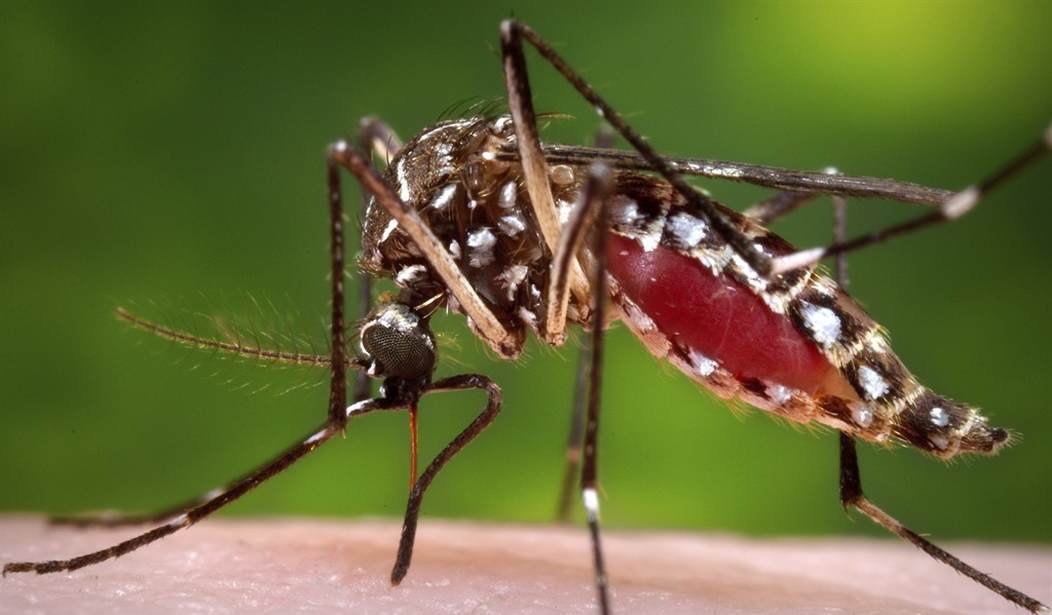

Mosquitoes are definitely not my favorite creatures. Not only do they bite and draw blood but they also have a habit of transmitting certainly deadly diseases from one person to another making them the most deadly creature on earth to humans. Something like 600,000 people a year die from Malaria and mosquitoes are primarily responsible for all of those deaths. In addition they spread Dengue, West Nile Virus, Zika, Chikungunya, and Yellow Fever.
Google has a plan to reduce the number of mosquitoes in warm climate areas of the US, thereby hopefully reducing the number of people infected with these diseases. The plan involves releases 64 million mosquitoes over two years.
Google has requested permission to release up to 64 million infected mosquitoes across California and Florida in a “debugging” programme designed to slow the spread of disease.
Flooding the states with tens of millions of mosquitoes may sound like a surprising way to reduce the number of the blood-sucking insects, but the bugs in question would all be sterilised males.
Male mosquitoes do not bite and thus do not carry the risk of spreading disease posed by females. Instead the plan is for them to mate with females, who would then lay eggs that will never hatch, thereby reducing the number of mosquitoes generation by generation.
How do you separate the harmless male mosquitoes from the blood-sucking females? Google plans to use AI to do that.
For now, Google is focusing their initial efforts on one species of mosquito known as Aedes aegypti, which is responsible for spreading most cases of dengue, Zika, yellow fever and chikungunya. Google’s engineers and scientists are using data analytics and sensors to build “automated rearing systems” for the fragile creatures, the company says. Part of the challenge entails using AI-powered computer vision to precisely separate males from females and releasing the males “in the right place and in the right numbers”.
Sterilizing the males is carried out by exposing them to a common bacteria which winds up scrambling their ability to pass on their genes. The CDC has a page about this bacteria which says most insects around us already carry it and it has never been shown to harm humans or other animals.
Wolbachia is a common type of bacteria found in insects. Approximately 6 in 10 of all insects, including butterflies, bees, and beetles, around the world have Wolbachia. Wolbachia bacteria cannot make people or animals (for example, fish, birds, pets) sick...
Release of mosquitoes with Wolbachia is not intended to stop an outbreak. However, releasing mosquitoes with Wolbachia over several months can reduce the number of a specific mosquito species, such as Ae. aegypti.
Tests using this same method have been carried out before and seemed to work as planned.
Google’s Debug Project, part of its parent company Alphabet’s life sciences subsidiary Verily, launched a decade ago in 2016. It conducted a project to release sterilised male mosquitoes in the Fresno area of California, and a 2018 report found that it reduced the female mosquito population by 93 per cent at the test sites.
Bottom line: We already know this strategy works, but you have to continue the release of mosquitoes every year or the numbers eventually climb back up. Also, this test only involves one species of mosquito. It will not impact other species which may live in the same area and which may even benefit from having less competition from other mosquitoes.
Still, it's possible to envision a near future where these releases are cheap enough and routine enough that getting bitten by a mosquito is a far less common event. And if we can do that here then it can be done is places like Africa where mosquito born disease is far more prevalent.