





The war with Iran didn’t start with the latest strike, it didn’t start this year, and it didn’t start with whatever headline people suddenly decided to care about. And we weren’t the ones who started it. No, this started in 1979. That was the moment the Iranian regime told the world exactly what it was. Americans were taken hostage for 444 days. That was not a misunderstanding, and it was not a diplomatic dispute. It was a direct act of hostility carried out in full view of the world. And it hasn’t stopped since.
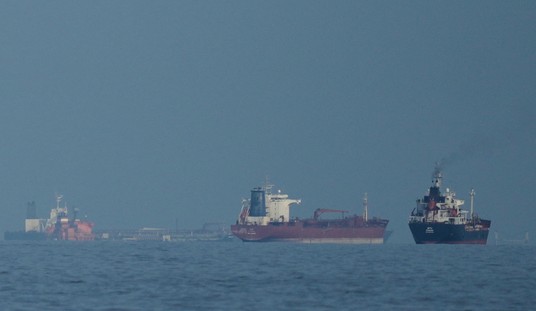
In 1983, 241 U.S. Marines were killed in Beirut in a bombing carried out by Hezbollah, a proxy created, funded, and directed by Iran. That was not a one-off, it was a blueprint. Throughout the 1980s, Iran targeted oil tankers in the Persian Gulf, threatening global energy supplies. In the 1990s, its fingerprints were all over attacks like the Khobar Towers bombing that killed 19 American servicemen. In Iraq and Afghanistan, Iranian-backed militias supplied weapons and roadside bombs that killed and maimed American troops, not hypothetically, not indirectly, but directly.
Across the region, Iran built a network, Hezbollah in Lebanon, militias in Iraq, forces in Syria, the Houthis in Yemen, and of course, Hamas in Gaza – all different names but the same playbook. Fund them, arm them, guide them, and deny just enough to avoid full accountability.
And through all of it, the response from the West followed the same pattern. Sanctions, talks, deals, and red lines that were drawn, crossed, and quietly erased. Our political leaders told us we were managing the problem. We weren’t managing it. We were giving Iran time. Time to expand, time to entrench, time to get stronger, time to move closer to capabilities that would make confronting them far more dangerous later than it would have been earlier.

Join the Conversation
VIP members get the ability to comment on articles.