








Back when the original income tax was implemented after the 16th Amendment was unfortunately ratified, Congress set the rate at 1% of income above $3000, which was a princely sum at the time. The average income at the time was somewhere around $750, believe it or not.
You can thank the Federal Reserve for the incredible drop in the value of the dollar, which is less than 3% of what it was back in the day.
If you were at the $3000 threshold, your tax bill would be $30 that year.
To be "fair," if you had an income of $500,000 or above, you got slapped with a 6% surtax for income above that limit. If only that were the maximum tax rate today...
We should keep that in mind when considering the "billionaire" taxes currently being discussed. For two reasons, actually.
First, unlike an income tax, which is charged on what money you made in any given year, the so-called "billionaire taxes" are levied on wealth, which is rarely liquid. Elon Musk, nominally a trillionaire, doesn't have a trillion dollars to throw around. He owns shares of companies he founded and built from almost nothing, and the nominal wealth he has is in actuality control over his companies. Seizing his wealth means, quite literally, seizing chunks of his companies.
For most of us, what happens to Elon's wealth is an abstract issue, though. We may intellectually understand that transferring ownership of SpaceX and Tesla out of Elon's hands, one chunk at a time, will be bad for the economy, but in practical terms, that means little to us in the short- to medium-term.
So, on to the second reason you should be concerned about their wealth-seizure taxes: there is absolutely no way they will remain limited to the hyper-wealthy, and no way the levels of asset seizure will remain limited. Once they become law, if they can do so, the wealth limits will fall and the rates potentially rise.
We're already here. Billionaire tax became $50m tax in 3 weeks. Soon it will be anyone with $1m in home equity.
— Tweets from Zach Weinberg (@zachweinberg) July 3, 2026
Why? Because you MUST tax the middle class to raise any real amount of money to cover the spending Ro and others want to spend.
It's always a middle class tax. https://t.co/rdQD2MXgso
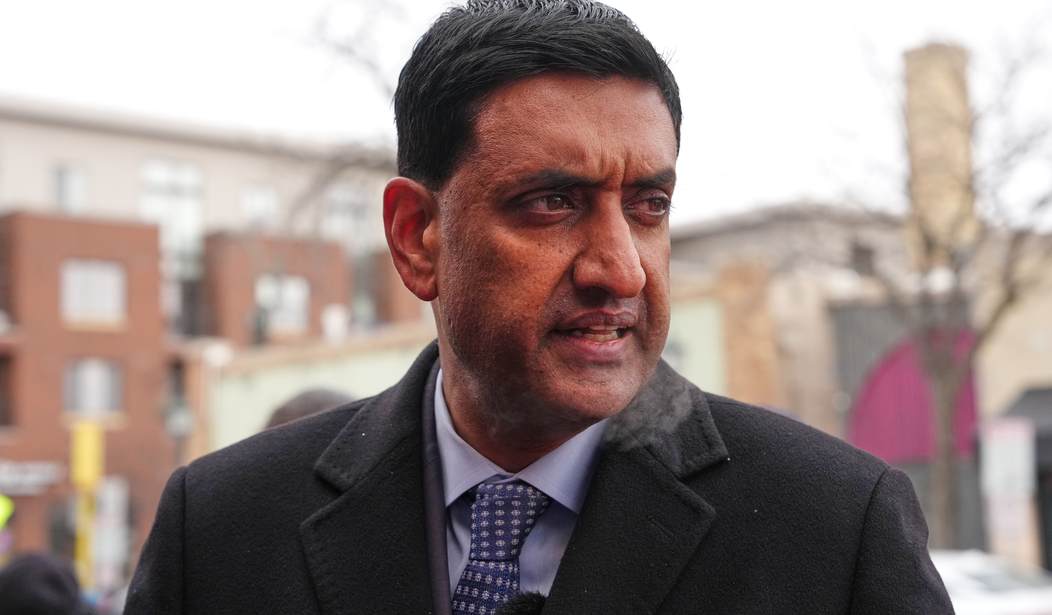
Ro Khanna says as much. He's already suggesting that the wealth target for taxation should be lowered by 95%, to $50 million. Not that the $500 million man is volunteering to go first and donate a decent chunk of his own net worth, of course. He could lead by example, but refuses to. His kids need to keep ownership of the golf courses they have. These pre-teen children own three golf clubs in Ohio, it seems.
I make the philosophical case for tax fairness and taxing billionaire wealth.
— Ro Khanna (@RoKhanna) July 2, 2026
I welcome an argument on the merits for this new social contract.
Read here:https://t.co/NaIGP43oDq
Khanna's philosophical case for a wealth tax amounts to this: think of what we could do if we stole this money! Because of course, government, when given enough money, solves every problem!
Leave aside the fact of the horrendous economic effects of seizing capital and using it for grossly inefficient consumption, including massive fraud, and you still face the fact that, as California and Blue States have found out, most of that Capital is portable, and the less attractive you make the US for investment, the fewer wealthy people who will be here.
Not to mention that the government has an insatiable need for more resources, no matter the level of funding. We still hear that schools are underfunded, despite the US spending more than almost any country in the world, and getting miserable results for all that spending. In fact, the districts that spend the most tend to get the worst outcomes.
So what happens when you drop from a billion to $50 million, and you still don't have enough money? You drop the wealth limit again. And again. And the lower down the wealth ladder you go, the less portable the wealth becomes. The middle class is where the real money is. They can't move, can't hide their wealth, don't have fancy lawyers who arrange for your kids to "own" golf clubs.
Almost any small business makes you a millionaire by "wealth," even if that value could drop to zero with a bad year. For that matter, the median sales price for a house is around $400,000. If you are in your 50s or 60s and have paid off a house in a nice area near a big city, it may be worth a million or more.
If you have a middle-class house in Pasadena on a tiny lot, your house is worth easily a million. The net worth of an average Baby Boomer is $1.5 to $2 million. When that wealth tax inevitably creeps down, the upper-middle class will be selling off chunks of their net worth to pay taxes, on top of any income taxes they already pay.
Wealth is fundamentally different than income, although income can be used to generate wealth. It is mostly tied up in capital, and capital does real work in the economy. Transferring that to the government impoverishes society as a whole by raising the cost of capital and reducing its availability, and it is grossly unfair to people who have already worked and paid taxes in accumulating that capital.
We are always sold on the idea that somebody else will pay for the false largesse that "comes" from government, and that is never true except for the people who do nothing but consume and receive benefits from the government.
Khanna is already admitting that he wants to grab even more wealth from far more people, and there is no reason to believe that the first major drop in wealth limits will be the first.
When was the last time a slippery slope argument turned out to be false?
Editor's Note: Do you enjoy HotAir's conservative reporting that takes on the radical left and woke media? Support our work so that we can continue to bring you the truth.
Join HotAir VIP and use promo code FIGHT to receive 60% off your membership.


Join the Conversation
VIP members get the ability to comment on articles.