The upcoming "Star Trek" movie reboot is taking shape. Except that shape may not be familiar to Trek faithful.
Here we go again?
John Francis Daley and Jonathan Goldstein (the excellent “Game Night” and the surprisingly patriotic "Mayday") have been tasked with rebooting the dormant film franchise. (The less we talk about TV's "Starfleet Academy," the better.)
The duo is giving clues about the new project, including the fact that they're taking inspiration from films like "Crimson Tide" and "Training Day." For which The Critical Drinker had the perfect response.
How about if it was inspired by Star Trek? https://t.co/fsOivmosEM
— The Critical Drinker (@TheCriticalDri2) September 2, 2026
Zing!
More exasperating? Don't expect new actors to bring Kirk, Spock and McCoy back to life. The reboot will feature all-new characters.
The Drinker's quip is on target, but it brings up a critical pop culture issue. Why does every other remake or reboot fundamentally change the source material?
Consider "Lanterns." The HBO Max series, based on the Green Lantern saga from DC Comics, takes extreme liberties with the source material. That 2016 "Ghostbusters" reboot ditched the franchise's signature heroes for four female fighters.
Spoiler alert: It bombed.
Rachel Zegler helped personally sink her 2025 "Snow White" live-action update by trashing the source material. And, true to her word, the update dramatically updated key elements of the story.
This summer's "Supergirl" flop turned our heroine into a cranky, hard-drinking antihero. And, surprise, surprise, the film flopped.
Hollywood can't stop remaking beloved properties. It's understandable. Familiar IPs (intellectual property) draw a crowd and involve less marketing risk. Along the way, screenwriters do everything possible to reinvent material that originally attracted TV and film goers in the past.
The lesson? If it ain't broke, Hollywood will do everything possible to fix it. But why?
Woke guilt partially explains the incessant need to "re-imagine" or "update" older stories. In the case of "Snow White," the new scribes couldn't stand seeing a woman need a man to save her. Nor did they want Snow White to be in a relationship.
It's Slay Queen or bust.
Woke helps explain the race and gender swaps that come with the rebooting territory. Arrogance plays a hand here, too. The modern writer thinks they knows better than their predecessors. Sure, you created a story that captured the imagination of whole generations, but watch this!
That mindset also devalues the past and puts the present in sharp focus. We know better now on every level, so those old stories must be updated at all costs. Plus, the screenwriters may crave tales to call their own, but the bosses insist they build upon existing fan bases, not creative new ones from thin air.
They'll do as told, but only on their own terms.
This need to radically reboot the past also suggests a distrust of the modern audience. We're living in a time when artists tell potential fans to flee if they don't check certain boxes or prefer select candidates.
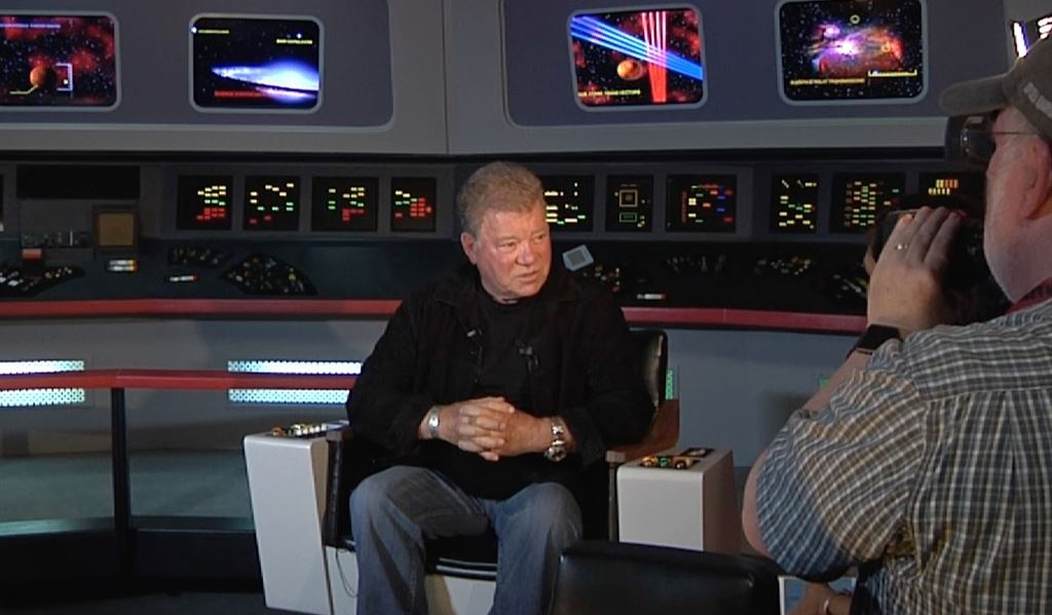
Or, they say something similar by radically transforming IPs to fit their own worldviews. The fans are upset? Let them eat cake (and watch other shows and movies). Heck, William Shatner once accused Paramount of burying his iconic Capt. James T. Kirk character.
We may not recognize much about the upcoming "Star Trek" movie reboot. Then again, the creators may not recognize the empty seats that potentially greet the project.